Services / Mobile App Development

Mobile App Development

iOS & Android apps ready for production

We design and ship consumer and B2B apps on React Native or native Swift and Kotlin, with JWT and OAuth auth, push via APNs and FCM, offline queues that sync when the network returns, and APIs on Node.js or Python hosted on AWS. From TestFlight and internal testing tracks through App Store and Google Play review, you get installable builds every sprint — not a demo that never leaves the lab.

iOS & Android React Native Push & Offline Auth & APIs App Store · Play Store
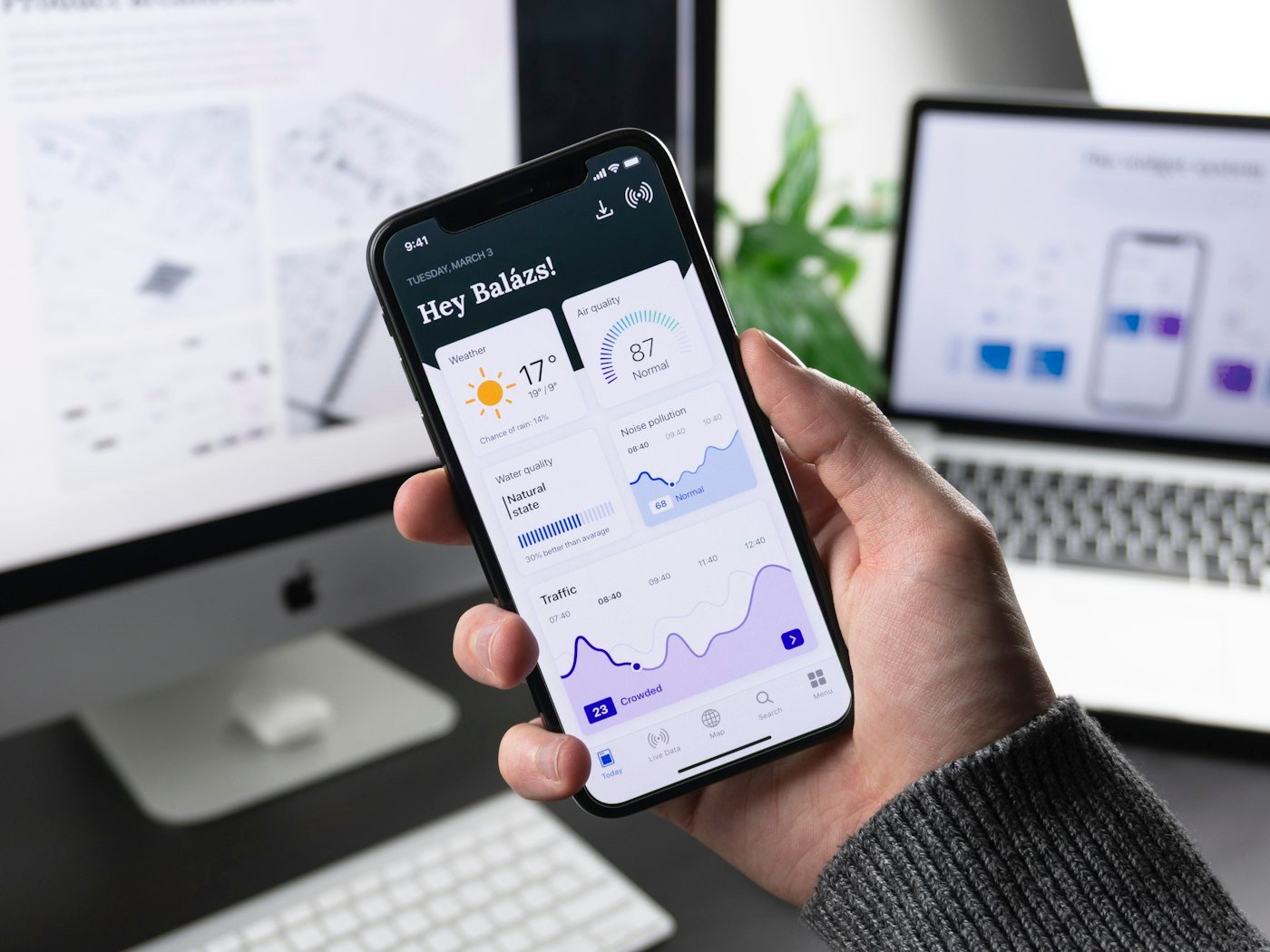
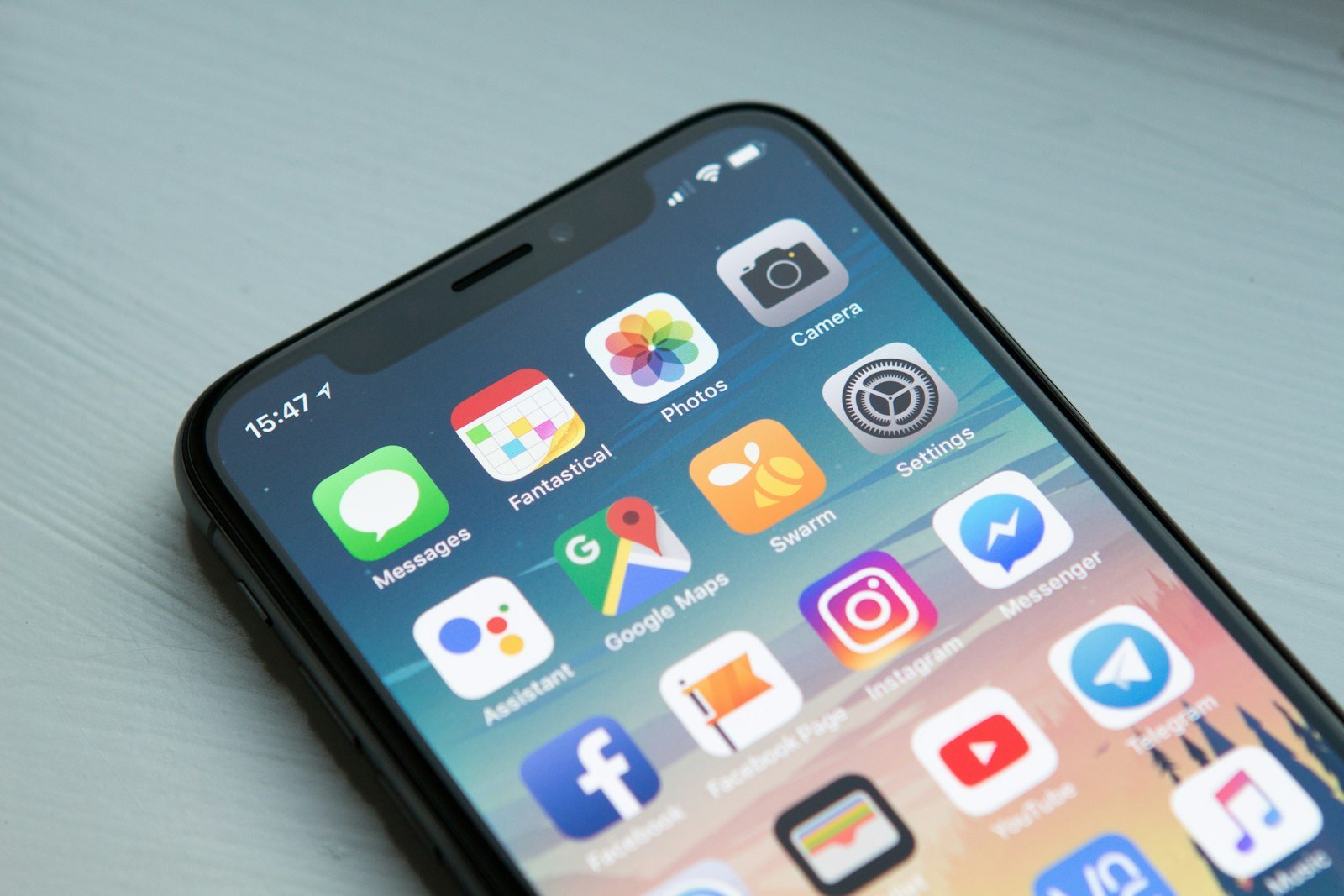
Mobile app interface on a smartphone
Mobile deliveryiOS · Android · RN
Product team reviewing a mobile app experience

Mobile products that survive real networks, real users, and real review policies

Phone apps fail quietly when auth tokens expire without graceful re-login, when push permissions are requested at the wrong moment, or when a screen assumes Wi‑Fi that field teams never have. Our team has delivered 250+ projects for B2B and B2C clients — including fitness products with streak tracking and subscription billing, healthcare companions with secure messaging, and operational tools that capture data offline and reconcile when sync runs.

We align on platform choice early: shared React Native when you need both stores on one roadmap, or Swift and Kotlin when Apple Health, background location, or frame-rate-sensitive UX is non‑negotiable. Backend work runs in parallel — Cognito or custom JWT flows, versioned REST endpoints, and staging environments your QA can hit before production cutover.

Fit

This service is a fit when you need

Evolva delivery

Apps that leave the store

React Native or native modules — with backends, push, and store submission in the same plan.

Written milestones, staging you can share, and production on AWS when you need certified cloud delivery — without a second vendor in the middle.

Capabilities

What we build under Mobile App Development

Focused tracks — from cross-platform MVPs to native modules and the APIs they depend on.

01

React Native product apps

Single codebase targeting iPhone and Android when feature parity and release speed beat platform-specific polish on day one.

  • Navigation, forms, and media with native fallbacks
  • CodePush or store release cadence you choose
  • Shared business logic with your React web app
02

Native iOS with Swift

Apple-first experiences where HIG fidelity, WidgetKit, Wallet passes, or Sign in with Apple are part of the roadmap.

  • SwiftUI or UIKit based on team and OS floor
  • Keychain storage and App Tracking transparency
  • TestFlight external groups for stakeholder UAT
03

Native Android with Kotlin

Material 3 layouts tested across common OEM skins, with foreground services and WorkManager where background work matters.

  • Jetpack Compose or XML for legacy coexistence
  • FCM topics and notification channels
  • Play Console staged rollouts and crash dashboards
04

Auth, sessions, and secure storage

Login flows that match your compliance story — refresh tokens, MFA hooks, and encrypted local caches for sensitive fields.

  • OAuth2 / OIDC and social sign-in providers
  • AWS Cognito or custom auth services
  • Certificate pinning for high-sensitivity APIs
05

Push, offline, and realtime

Notifications users can act on, plus local databases that queue writes until connectivity returns without duplicate orders or messages.

  • APNs and FCM with deep link routing
  • SQLite / Realm patterns for offline-first UX
  • WebSockets or polling for live dashboards
06

Store submission and lifecycle

Metadata, privacy nutrition labels, screenshot sets, and written responses when Apple or Google asks for clarification.

  • App Store Connect and Play Console setup
  • CI pipelines for signed release binaries
  • Post-launch crash triage and OS upgrade sprints
Deliverables

What you receive at handover

Artifacts your internal team or agency partner can operate — not a black-box binary.

Architecture & screen map

Navigation graph, state ownership, and API dependency diagram signed off before sprint one.

Implemented UI on devices

Layouts for phone and tablet, accessibility labels, and loading or empty states users actually see.

Backend services on AWS

Node.js or Python APIs with RDS or DynamoDB, S3 for assets, and environment-separated staging.

Auth & push configuration

Working login, token refresh, APNs/FCM keys in your accounts, and notification payload templates.

Device QA report

Matrix of OS versions and hardware we tested, with known issues logged before submission.

Store-ready package

Signed builds, listing copy draft, privacy questionnaire answers, and runbook for future releases.

Stack

Technologies we use for mobile delivery

Stacks our AWS Solutions Architect–certified team runs in production alongside your web and cloud work.

Clients

React Native Swift / SwiftUI Kotlin / Compose Expo (when appropriate)

APIs & data

Node.js Python GraphQL PostgreSQL

Identity & messaging

Cognito Firebase APNs FCM

Ops

AWS Fastlane GitHub Actions Sentry / Crashlytics
Process

How we deliver mobile projects

Four phases tuned for parallel API work and early device feedback — unique to app delivery, not a generic software template.

01

Discovery & platform decision

We inventory features, data sensitivity, and release targets, then document React Native vs. native trade-offs with a written recommendation.

02

UX flows & API contract

Critical paths — onboarding, auth, core action — are prototyped while OpenAPI or GraphQL schemas are frozen for backend sprints.

03

Integrated device sprints

Each sprint ends with installable builds, push and offline scenarios exercised on physical hardware, and demo notes you can share with stakeholders.

04

Submission & hypercare

We drive store submission under your developer accounts, monitor review threads, and stay on for a short post-launch window for crash fixes and analytics validation.

Engagement

Ways to work with us

MVP builds, dedicated mobile squads, or store-rescue sprints when an existing app is stuck in review.

Fixed-scope MVP

Defined feature list, one or both mobile platforms, backend through first public store version.

Timeline: 8–14 weeks typical Includes: App, API, QA, store submit You get: Milestone plan + repo access

Embedded mobile squad

Dedicated engineers on your backlog after v1 — releases aligned to your product cadence and analytics review.

Cadence: Sprint-based releases Includes: Mobile + backend capacity You get: Predictable velocity

Audit & rescue sprint

Performance regressions, policy rejections, or SDK upgrades on an app already in market.

Timeline: 2–5 weeks Includes: Findings doc + fix batch You get: Path back to approval


Why Choose Evolva Solutions as Your Software Development Partner?

aws
AWS certified
FS
Full-Stack Delivery Web · Mobile · AI · Cloud
250+ Projects Delivered
15+ Industries Served
B2B & B2C Direct & White-Label
AWS Architect Certified
1 Team End-to-End Engineering
Written Scope + Weekly Demos
You Own the Code
NDA & White-Label Ready
AWS Production Delivery


Mobile App Development FAQs

Practical answers before you pick a platform or commit to a launch date.

We score your must-have platform APIs, performance budget, and release timeline. React Native wins when both stores share one roadmap and UI complexity is mainstream. Swift and Kotlin win when you need deep OS integrations, maximum animation performance, or diverging platform roadmaps. We document the choice in writing before build starts.
Yes. We prepare signed binaries, screenshots, privacy labels, and data safety forms. Developer accounts remain yours; we operate submission and review correspondence under credentials you provision.
Most engagements include APIs, databases, and auth on AWS — designed by engineers who hold AWS Solutions Architect certification. We can also integrate with your existing backend if staging access and API docs are available.
We define which actions must work offline, implement local queues with idempotent sync, and configure APNs and FCM with deep links back into the right screen. Permission prompts and settings screens are part of scope — not an afterthought.
You do. Git repositories, signing certificates, and store listings stay in your organization. Handover includes CI instructions and environment documentation so your team or another vendor can continue releases.


Related services


Planning a new app or replacing one that no longer passes store review?

Share your user personas, must-have flows, and target launch window. We will outline platform options, auth and push approach, backend scope, and a milestone plan you can budget against.